

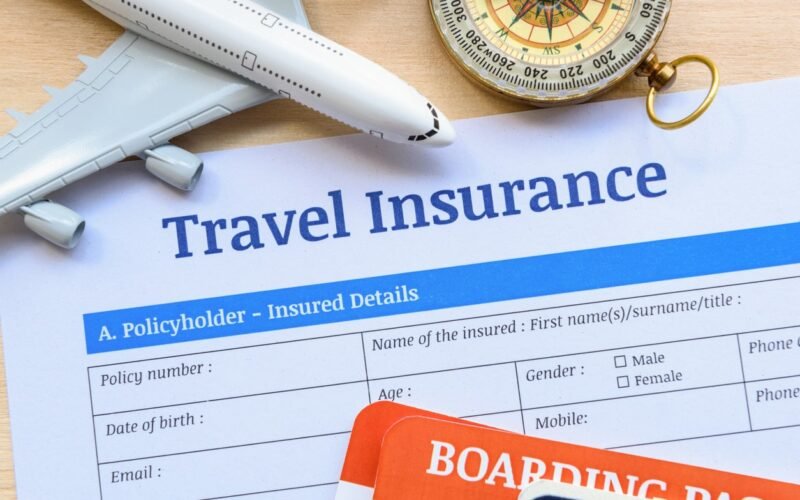
Traveling internationally can be exciting, but unexpected problems like medical emergencies, flight cancellations, lost baggage, or passport theft can quickly turn a dream trip into a stressful experience. This guide on Travel Insurance Explained will help travelers understand why travel insurance is essential, what it covers, and the common mistakes people make while purchasing a policy.
Travel experts and insurance providers increasingly recommend travel insurance for both domestic and international trips due to rising medical costs, flight disruptions, and unpredictable travel situations. (investopedia.com)
What is Travel Insurance?
Travel insurance is a financial protection policy designed to cover unexpected travel-related risks and expenses during a trip.
It can help travelers recover costs related to:
- Medical emergencies
- Trip cancellations
- Flight delays
- Lost baggage
- Passport loss
- Emergency evacuation
Many countries also require mandatory travel insurance for visa approval and entry. (policybazaar.com)
Why Every Traveler Needs Travel Insurance
1. Medical Emergencies Abroad Can Be Expensive
Healthcare treatment in countries like the USA, UK, Europe, and Singapore can cost thousands of dollars without insurance coverage.
Examples
- Emergency hospitalization
- Accidents during travel
- Food poisoning
- Sudden illness
- Medical evacuation
Travel insurance can significantly reduce financial burden during emergencies. (allianztravelinsurance.com)
2. Protection Against Flight Cancellations & Delays
Flight disruptions are increasingly common due to weather conditions, technical issues, and airline operational problems.
Coverage May Include
- Hotel expenses during delays
- Rebooking charges
- Missed connecting flights
- Trip interruption costs
3. Lost or Delayed Baggage Coverage
Losing luggage during international travel can create major inconvenience.
Insurance May Cover
- Lost baggage compensation
- Delayed baggage essentials
- Theft of belongings
- Passport replacement expenses
4. Trip Cancellation Protection
Sometimes travelers must cancel trips due to emergencies.
Common Covered Reasons
- Medical emergencies
- Family emergencies
- Natural disasters
- Visa rejection (in some plans)
Trip cancellation coverage can help recover prepaid non-refundable costs. (icicilombard.com)
Types of Travel Insurance Coverage
1. Medical Travel Insurance
This is the most important type of travel insurance.
Covers
- Emergency hospitalization
- Doctor consultations
- Emergency surgery
- Medical evacuation
- COVID-related treatment (in many plans)
2. Trip Cancellation Insurance
Protects prepaid travel expenses if the trip gets canceled before departure.
May Cover
- Flight tickets
- Hotel bookings
- Tour packages
3. Baggage Insurance
Provides compensation for:
- Lost baggage
- Stolen luggage
- Delayed baggage delivery
4. Student Travel Insurance
Designed for students studying abroad.
Additional Benefits
- Study interruption
- Sponsor protection
- Laptop coverage
- Tuition fee protection
5. Family Travel Insurance
Covers multiple family members under one policy.
Best For
- Family vacations
- Group travel
- International holidays
6. Senior Citizen Travel Insurance
Special plans for older travelers with extended medical coverage.
What Travel Insurance Usually Does NOT Cover
Understanding exclusions is extremely important.
Common Exclusions
- Pre-existing medical conditions
- Alcohol or drug-related incidents
- Adventure sports without add-on coverage
- Self-inflicted injuries
- Traveling against government advisories
Policy exclusions vary between insurance providers. (hdfc.bank.in)
Common Mistakes Travelers Make
1. Buying Insurance Only for Visa Purposes
Many travelers buy the cheapest policy just to satisfy visa requirements without checking actual coverage benefits.
2. Ignoring Policy Exclusions
Not reading exclusions can lead to claim rejection during emergencies.
Example
Adventure sports injuries may not be covered in standard plans.
3. Choosing Insufficient Medical Coverage
Medical treatment abroad can be extremely expensive.
Experts often recommend:
- Minimum $50,000 medical coverage
- Higher coverage for USA and Europe travel
4. Delaying Insurance Purchase
Buying insurance immediately after booking flights can provide better cancellation protection.
5. Not Declaring Medical Conditions
Hiding pre-existing illnesses can lead to denied claims.
6. Ignoring Claim Documentation
Travelers often forget to keep:
- Medical bills
- Boarding passes
- Police reports
- Delay certificates
Proper documentation is essential for successful claims.
How to Choose the Best Travel Insurance Plan
Compare Multiple Policies
Check:
- Medical coverage limit
- Claim settlement ratio
- Emergency assistance
- Exclusions
- Premium cost
Check Destination Requirements
Some countries have mandatory insurance requirements.
Example
Many Schengen countries require minimum medical coverage for visa approval.
Choose Add-On Coverage if Needed
Additional coverage may include:
- Adventure sports
- Cruise travel
- Gadget protection
- Cancel for any reason coverage
When Should You Buy Travel Insurance?
Experts recommend purchasing travel insurance:
- Immediately after booking flights
- Before visa application
- At least 2–3 weeks before travel
Early purchase may provide broader trip cancellation benefits.
Important Documents Needed for Claims
Keep Copies Of
- Passport
- Visa
- Flight tickets
- Medical reports
- Bills and receipts
- FIR or police complaint (if theft occurs)
Final Thoughts
This guide on Travel Insurance Explained highlights why travel insurance is no longer optional for modern travelers. Whether you are traveling for vacation, business, studies, or a honeymoon, the right travel insurance plan can protect you financially against unexpected situations.
Choosing proper coverage, understanding exclusions, and avoiding common mistakes can make your international travel safer, smoother, and stress-free